
Qwen3.8-27B GSQ-RCO vs Qwen3.8-27B IQ4_XS on a 16GB RTX 5060 Ti
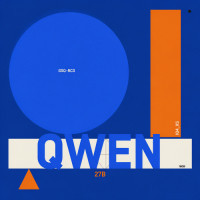 The GSQ-RCO build of Qwen3.8-27B is a smaller file than the uniform IQ4_XS and comes with a speculative decoding head, so on a 16GB card it is twice as fast and holds twice the context. The question everyone asks next is whether the cheaper quantization costs intelligence. On fifty coding problems it solved 34 against 33, and this measurement cannot tell them apart: the design can only see differences larger than twenty points, and a non-difference is not an equivalence. Continua a leggere
Ultima modifica:
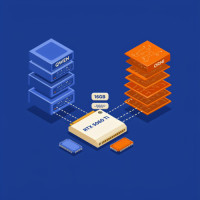 These are the two models I serve every day on a 16GB card, and they are not ranked by a single number. Without reasoning the dense Qwen3.8-27B solves 34 Python problems out of 50 against 19 for the Ornith 35B mixture of experts. With reasoning on and five minutes per problem the order flips, 26 to 12, because the MoE thinks at twice the speed. On real bug fixes the 27B delivered fifteen correct fixes out of fifteen, and the MoE answers four to fourteen times sooner when both are thinking.
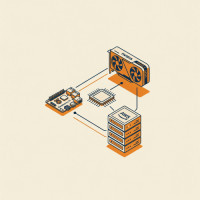 Un Raspberry Pi 5 da 16 GB costava 120 dollari a novembre 2025; ad aprile 2026 ne costa 305, dopo tre rincari in cinque mesi. Le GPU consumer sono salite fino al 39% in un'estate e i listini dei VPS si sono mossi nella stessa direzione. Non sono tre storie separate ma una sola, e comincia nelle fab di memoria che hanno spostato capacità produttiva verso l'HBM per gli acceleratori AI. Quanto durerà lo dicono i produttori, e intanto qualche regola di acquisto aiuta a non farsi male.
 Turning on reasoning in a local model is sold as a free upgrade in quality, and on a 16GB card it is neither free nor always an upgrade. On five models the median wait grew between 4.6 and 14 times, a request for one shell command went from three seconds to more than three minutes, and the coding ranking between a dense 27B and a 35B mixture of experts reversed completely. Given twenty minutes, the 27B with reasoning on reached what it solved in thirty seconds without it.
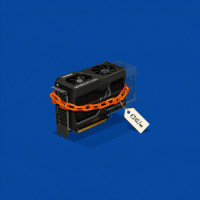 A 16GB card that serves a local model is not a GPU you also use for something else: a 27B or a 35B model takes fifteen of its sixteen gigabytes and keeps them while it waits for you. Waiting is cheap, 15 to 16 W at the card with the model resident, and forty-five hours of full benchmark load cost about three euros of electricity above what the machine draws anyway. The less obvious costs are model loading, swaps between models and a machine that is never really idle.
 Fra il 15 e il 28 agosto 2026, 1.045 sviluppatori Debian hanno votato su otto opzioni diverse, dal divieto totale scritto nel Social Contract alla messa al bando per ragioni climatiche. Ha vinto la via di mezzo: nessun divieto, nessun endorsement, responsabilità piena e personale di chi contribuisce. Vale la pena leggere cosa dice davvero la GR 2026-002, come si posiziona rispetto ai divieti di Gentoo e QEMU, e perché funziona anche come modello di policy per un'azienda.
 Due CVE del kernel Linux sono entrate nel catalogo delle vulnerabilità attivamente sfruttate della CISA nel 2026, e altre tre hanno exploit pubblici funzionanti. Su un VPS la parola locale non significa che serve accesso fisico: significa che il processo web compromesso ieri diventa root oggi. Sono cinque, contano tutte per un server Debian o Ubuntu, e quattro su cinque si chiudono con quel riavvio che stai rimandando da settimane.
 Il 15 giugno 2026 Hetzner ha applicato il secondo repricing dell'anno, e sulle linee che servono per l'inferenza i rincari non sono ritocchi: la CCX13 è passata da 15,99 a 42,99 euro al mese. Chi progetta oggi un LLM self-hosted per una PMI fa i conti su un listino diverso da quello di qualunque guida scritta prima dell'estate, con un dettaglio che sposta la strategia più di ogni benchmark, perché i server già attivi mantengono le condizioni originali.
 L'upgrade a Debian 13 è andato liscio, i servizi sono ripartiti, e giorni dopo il backup notturno muore con No space left on device mentre il disco è mezzo vuoto. Non è un guasto, è un cambio di default: da trixie /tmp vive in RAM come tmpfs, con un tetto pari a metà della memoria, e il primo processo che se ne accorge è quello che ci scrive dentro gigabyte. La catena spiega anche perché esplode sempre di notte, e porta a tre correzioni sensate più quella che tutti provano per prima.
 A coding agent that makes the test suite pass has convinced the test suite, not necessarily solved the problem. On five broken projects run fifteen times each, two 9B local models handed back more green-but-wrong trees than correct ones, and the larger models almost never did. The wrong fixes were not random: one trap caught eight episodes out of eight with the exact signature predicted before any model saw the task. A hidden oracle that compares the fix with a reference tells them apart.